

✔ 100% Authentic Product
👁️ Currently Viewing 1654
Ivermectin acts by selectively binding with high affinity to glutamate-gated chloride ion channels found in invertebrate nerve and muscle cells. This binding increases membrane permeability to chloride ions, resulting in hyperpolarization of nerve and muscle cells, paralysis, and eventual death of the parasite.
Pediatric Use: Safety and efficacy have not been established in children weighing less than 15 kg.
Geriatric Use: Limited data are available to determine differences in response in patients aged 65 years and above.
Discount
Price: ৳ 95
MRP:
৳
100
5%
Off

100% Genuine Products, Guaranteed

Safe & Secure Payments, Always

Fast, Secure & Efficient Delivery
Proper Packaging
 Cash on Delivery - All over Bangladesh
 Regular Delivery: 24-48 Hours, Dhaka City* Charge Tk.39-59
- Regular Delivery: 48-96 Hours, Other Cities* Charge Tk.99-125
 ফ্রি ডেলিভারিঃ - ১৯৯৯ টাকা+ অর্ডারে, ঢাকা
শহরে
ফ্রি ডেলিভারিঃ - ১৯৯৯ টাকা+ অর্ডারে, ঢাকা
শহরে- ফ্রি ডেলিভারিঃ - ৪৯৯৯ টাকা+ অর্ডারে, ঢাকার
বাহিরে
📲 মোবাইল অ্যাপ অর্ডারে সাশ্রয় বেশী
-
Google Play Store থেকে ডাউনলোড
-
Apple Store থেকে ডাউনলোড
100% Genuine Products, Guaranteed
Safe & Secure Payments, Always
Fast, Secure & Efficient Delivery
Proper Packaging
- Cash on Delivery - All over Bangladesh
- Regular Delivery: 24-48 Hours, Dhaka City* Charge Tk.39-59
- Regular Delivery: 48-96 Hours, Other Cities* Charge Tk.99-125
- ফ্রি ডেলিভারিঃ - ১৯৯৯ টাকা+ অর্ডারে, ঢাকা
শহরে
- ফ্রি ডেলিভারিঃ - ৪৯৯৯ টাকা+ অর্ডারে, ঢাকার
বাহিরে
- Google Play Store থেকে ডাউনলোড
- Apple Store থেকে ডাউনলোড
📲 মোবাইল অ্যাপ অর্ডারে সাশ্রয় বেশী
✅ Description:
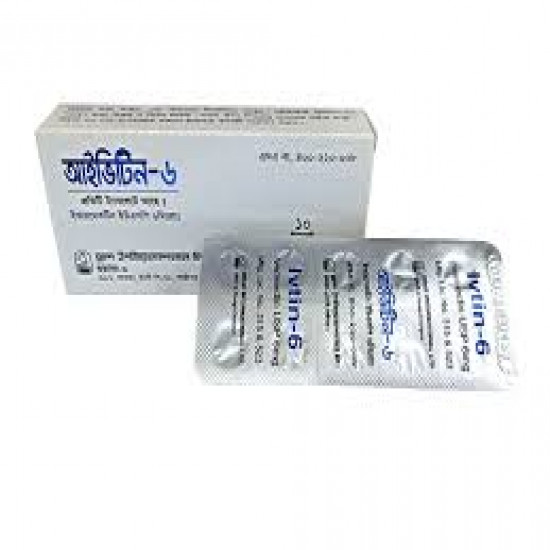
Ivtin tablet is indicated for the treatment of the following parasitic infections:
- Strongyloidiasis
- Onchocerciasis
- Filariasis
- Scabies
- Head lice
Intestinal Strongyloidiasis:
Ivtin is indicated for the treatment of non-disseminated intestinal strongyloidiasis caused by Strongyloides stercoralis. Clinical studies, including comparative and open-label trials, have demonstrated cure rates ranging from 64% to 100% following a single oral dose of 200 mcg/kg.
Onchocerciasis:
Ivtin is used for the treatment of onchocerciasis caused by Onchocerca volvulus. This indication is supported by randomized, double-blind, placebo-controlled, and comparative studies conducted in endemic regions of West Africa, involving over 1,400 patients. Comparative trials used diethylcarbamazine citrate (DEC-C) as a reference treatment.

Relevant Products / প্রাসঙ্গিক পণ্য

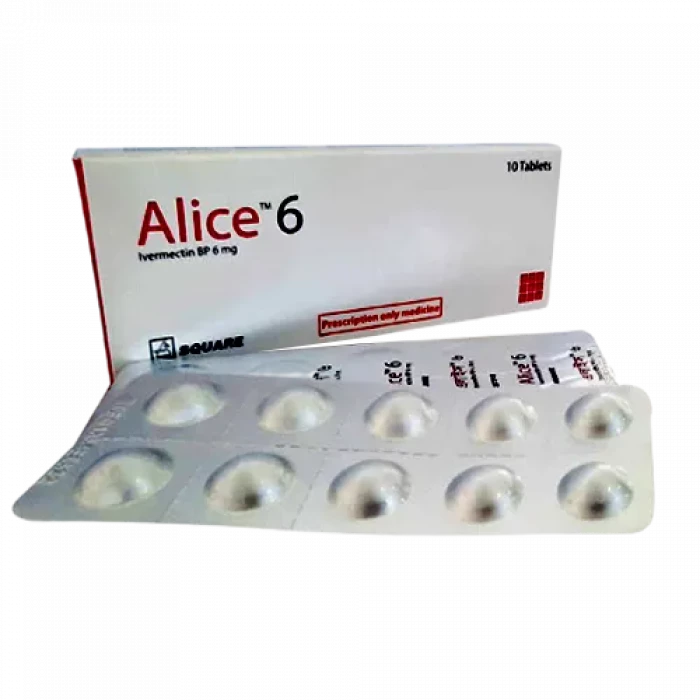
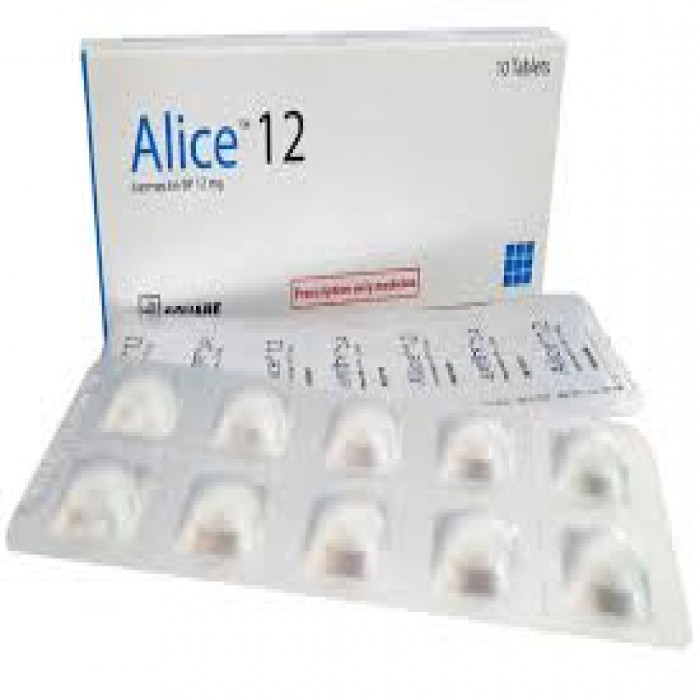
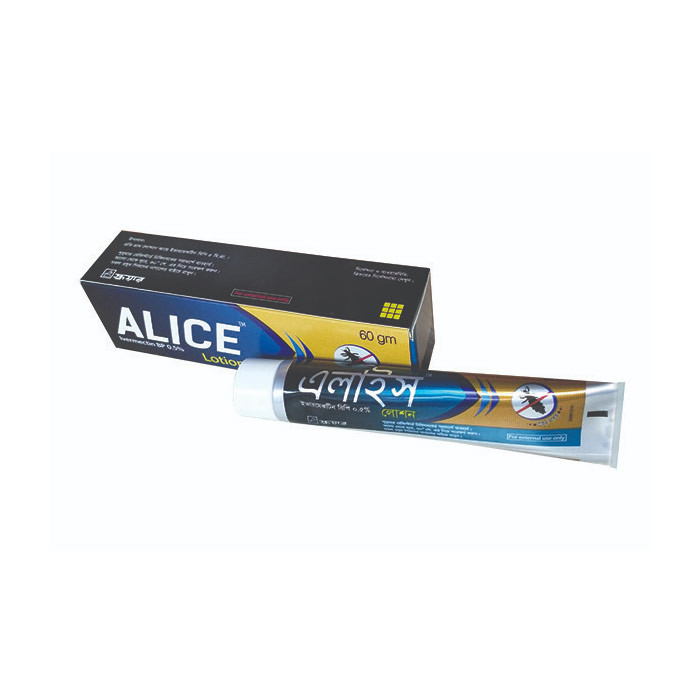
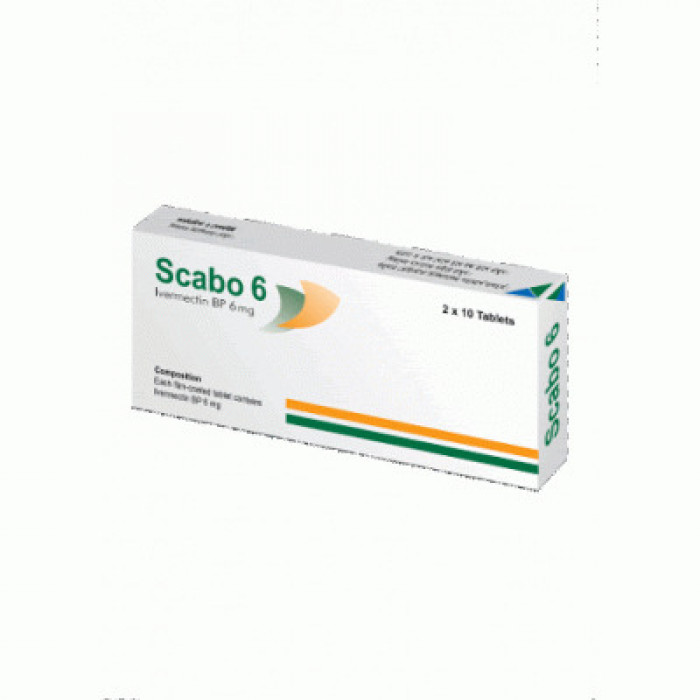
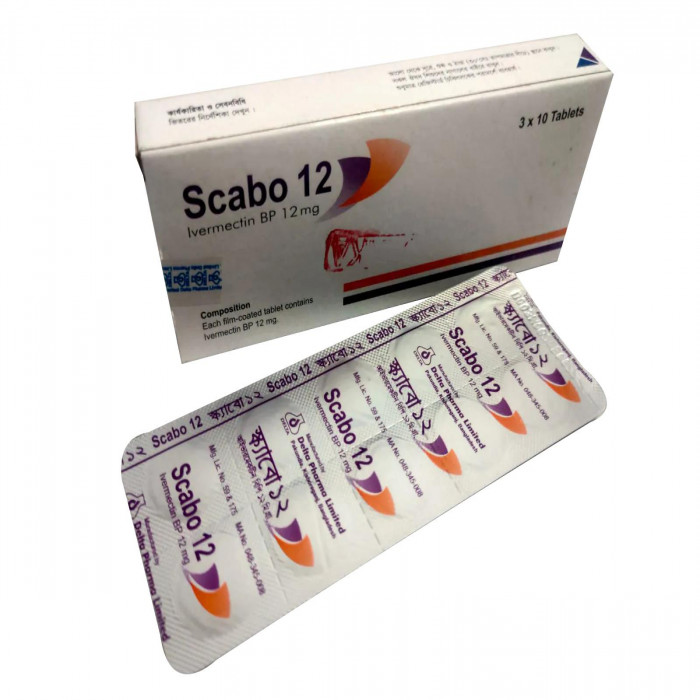
✔️ Generic Name:
Ivermectin
✔️ Side Effects
Strongyloidiasis:
Reported adverse reactions include fatigue, abdominal pain, anorexia, constipation, diarrhea, nausea, vomiting, dizziness, somnolence, vertigo, tremor, pruritus, rash, and urticaria.
Onchocerciasis:
Common reactions include joint pain, lymph node enlargement and tenderness, pruritus, skin rashes, edema, fever, and ocular symptoms such as conjunctivitis, keratitis, uveitis, and eyelid edema. These reactions are generally mild to moderate and resolve without corticosteroid therapy. Rarely reported reactions include hypotension, worsening asthma, Stevens–Johnson syndrome, and toxic epidermal necrolysis.
✔️ Dosage & Administration of Ivermectin Tablet
For Treatment (if COVIO positive):
Ivermectin 6 mg: 2 tablets once daily for 5 days (2+0+0)
For Prophylaxis:
A single dose on Day 1 and the same dose repeated on Day 7, based on body weight:
15–24 kg: 1 tablet of 3 mg
25–35 kg: 1 tablet of 6 mg
36–50 kg: 1 tablet of 6 mg + 1 tablet of 3 mg
51–65 kg: 2 tablets of 6 mg
66–79 kg: 2 tablets of 6 mg + 1 tablet of 3 mg
≥80 kg: 3 tablets of 6 mg
Strongyloidiasis:
The recommended dose is a single oral dose of approximately 200 mcg/kg, taken on an empty stomach with water. Additional doses are usually not required, but follow-up stool examinations are recommended to confirm eradication.
Strongyloidiasis Dose Guide:
15–24 kg: 3 mg
25–35 kg: 6 mg
36–50 kg: 9 mg
51–65 kg: 12 mg
66–79 kg: 15 mg
≥80 kg: 200 mcg/kg
Onchocerciasis:
The recommended dose is approximately 150 mcg/kg as a single oral dose on an empty stomach. The standard dosing interval is 12 months, although retreatment may be considered as early as every 3 months in selected cases.
Onchocerciasis Dose Guide:
15–25 kg: 3 mg
26–44 kg: 6 mg
45–64 kg: 9 mg
65–84 kg: 12 mg
≥85 kg: 150 mcg/kg
✔️ Drug Interactions | Ivermectin
Rare post-marketing reports have described increased International Normalized Ratio (INR) when Ivtin is administered concomitantly with warfarin.
✔️ Contraindications | Ivermectin
Ivtin is contraindicated in patients with known hypersensitivity to ivermectin or any component of the formulation.
✔️ Pregnancy & Lactation | Ivermectin
Pregnancy:
Category C. Adequate and well-controlled studies in pregnant women are lacking. Ivtin should not be used during pregnancy unless the potential benefit outweighs the risk.
Lactation:
Ivermectin is excreted into breast milk in low concentrations. Treatment during breastfeeding should be considered only if delaying therapy poses a greater risk to the mother than potential exposure to the infant.
✔️ Precautions & Warnings
Patients treated for onchocerciasis may experience inflammatory reactions (Mazzotti reaction) due to the death of microfilariae, including fever, hypotension, edema, and skin reactions. Supportive management may include hydration, corticosteroids, antihistamines, or aspirin. Rare cases of severe encephalopathy have been reported in patients co-infected with Loa loa, presenting with neurological symptoms such as confusion, altered consciousness, or coma.
✔️ Storage:
Store in a dry place below 30°C, protected from light. Keep out of reach of children.
⚠️Disclaimer:
At ePharma, we’re committed to providing accurate and accessible health information. However, all content is intended for informational purposes only and should not replace medical advice from a qualified physician. Please consult your healthcare provider for personalized guidance. We aim to support, not substitute, the doctor-patient relationship.